EU-UK SPS Deal: What it means for British farmers

20 November 2026

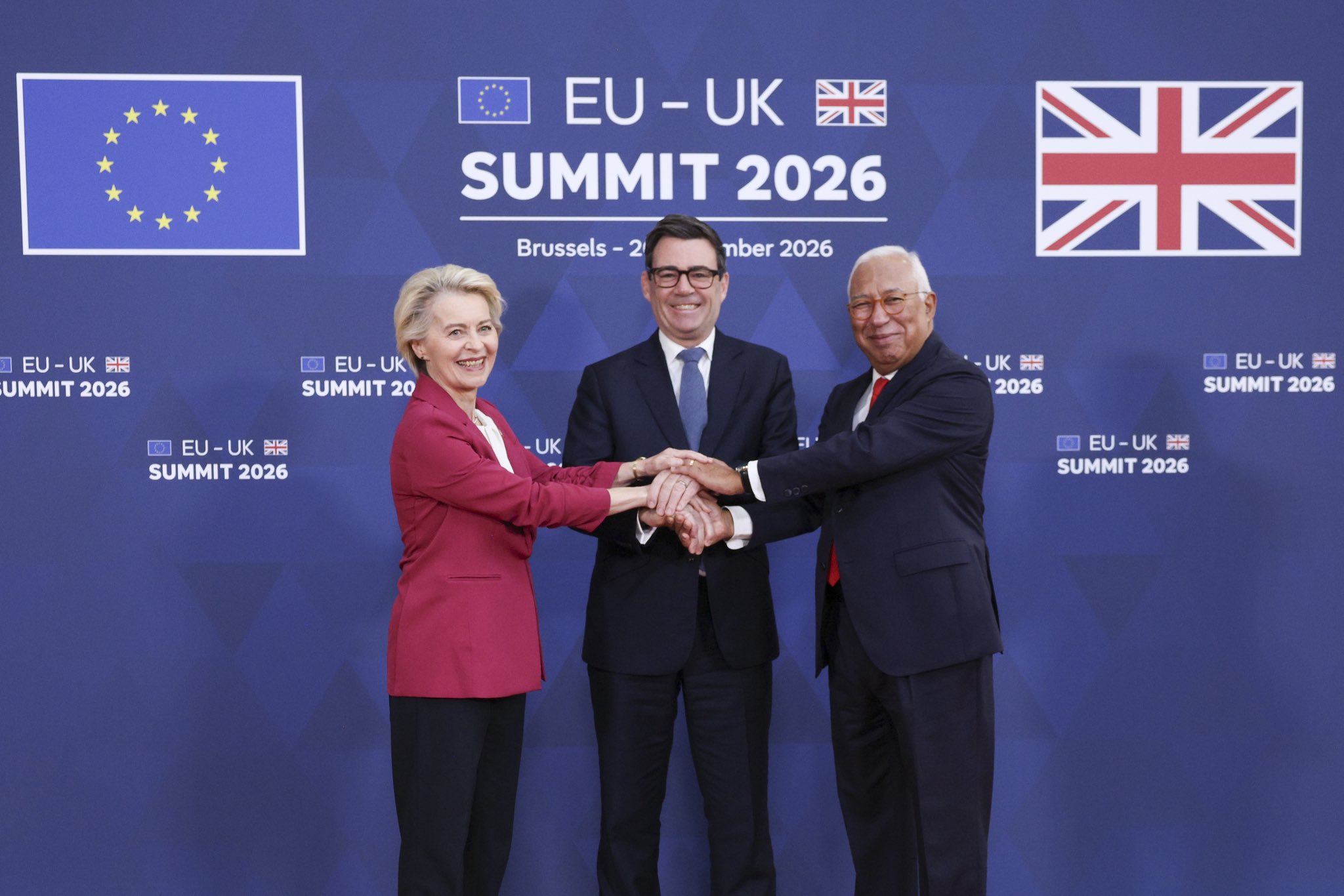
EU and UK Leaders at 2026 Summit

On 20 November 2026, the EU and UK announced a Common Sanitary and Phytosanitary Area (SPS) agreement in respect of the EU and Great Britain, in order to ease the administrative burden and checks on agri-food traded between GB and the EU, and in turn GB and Northern Ireland. This Agreement will apply from 1 March 2028, with targeted transition arrangements in limited areas.

The SPS agreement will have wide-ranging and potentially significant impacts upon British farmers and growers. Alignment with EU regulations will apply to all domestically produced products regardless of whether or not your business trades with the EU.

Since the UK left the EU, GB-EU trade has been subject to additional checks, paperwork, and
other requirements. Paperwork and checks have also been required for agri-food and plants
moving from Great Britain to Northern Ireland. In 2025, 75% of UK’s agri-food exports were destined for the EU; however, these exports have dropped in volume by 35% since Brexit.

The SPS agreement will see the UK dynamically align with EU rules on food safety, animal and plant health, consumer protection, organics, pesticides, and marketing standards—essentially sharing a single rule book in these areas. In turn, the agreement will mean the removal of the vast majority of routine SPS certification, pre-notification and border checks for agri-food goods traded between GB and the EU. It will also remove the vast majority of trade frictions between GB and Northern Ireland. It is hoped that the removal of these checks and certification requirements will facilitate the rebuilding of British agri-food exports that have been lost since Brexit.  

One EU-UK SPS Area

The Agreement creates a Common Sanitary and Phytosanitary (SPS) Area, under which the
whole of the UK and EU will have the same rules in animal health and welfare, plant health and plant reproductive material, antimicrobial resistance in animals, food and feed safety, fishery products, broader nutrition-related areas such as food supplements, fortified foods, food for specific groups, nutrition and health claims and nutrition labelling, wider agri-food rules related to food labelling, organics, key agri-food marketing standards and compositional standards, and regulation of pesticides and biocides. It will not cover wine and spirits. This will result in:

  • Removing the requirement for Export Health Certificates for goods moving between the
    GB and the EU, saving UK businesses up to £200 per certificate, as well as removing
    these certification requirements for GB-NI movements;
  • Removing the requirement for phytosanitary certificates, saving businesses around £25
    per certificate and at least £127.60 per load in inspection fees;
  • Eliminating time consuming SPS border checks on goods such as dairy, meat and fish;
  • Reopening the EU market for British products including seed potatoes, fresh sausages,  and burgers;
  • Removing certain other requirements under the rules in scope, including Certificates of
    Inspection (CoIs) for organic products.

When will rules change?

The EU and UK have agreed that goods already on the Great Britain market when the deal is
applied can continue to be sold and used in GB, even if non-compliant with EU rules. This will
minimise disruption to businesses, reduce food waste and ensure continued supply of goods.

Precision Bred Plants: To support innovation and growth in food and farming, England’s
precision breeding framework will remain in place until July 2028, when the EU’s new genomic technique framework for plants takes effect. In July 2028, The EU's NGT legislation will then apply directly across the whole of the UK - meaning that the UK and the EU have the same legislation for gene editing.

Plant Protection Products: Since leaving the EU, the EU has withdrawn 12 actives that are still approved for use in GB. These actives will be withdrawn from the GB market under the transitional arrangements. Farmers will get between 9 and 21 months for final use-up, depending on the product, after entry into force. Food and feed treated with pesticides in line with current GB rules will be permitted to continue to be harvested and sold on the GB market after the Agreement is applied.

  • GB will retain the continued use of products containing cinmethylin, pydiflumetofen and isoflucypram, pending an EU decision on approval for use. 

Biocides: A 6-month transition period has been agreed for placing certain treated articles on the GB market. Alignment under an SPS agreement means use of creosote to treat fencing materials will not be permitted in GB and use of creosote products that do not meet EU requirements will be permitted for up to 16 months after the application date.

Organic products: a 12-month transition period has been agreed, which will begin from 1 March 2028, for the changes required to organic poultry housing and to organic egg production. Organic goods already on the market when the Agreement is applied, as well as goods covered by this transitional arrangement, will not be restricted to GB and will be able to be sold in the EU without the need for certificates of inspection.

What say will we have in EU rules?

Last year’s Common Understanding between the EU and UK envisaged a decision shaping role for the UK for EU secondary legislation. The agreement reached today specifies that “where we dynamically align, the UK will have an early decision-shaping role on EU rules in development. This is essential for ensuring that UK interests are reflected, and that the Agreement can function effectively.” This is an important issue for BAB and we look forward to working with the government to ensure that the interests of our members are fully represented in the discussions.

What next?

In the UK, the Agreement, including the detailed domestic legislative changes needed, will be implemented through the forthcoming European Partnership Bill and a programme of secondary legislation. Legislation will also be needed to implement the agreement in the EU.

The full extent of the impact is now dependent on how the UK and devolved governments decide to interpret and implement EU legislation. There are areas where we are seeking clarity and a pragmatic approach to implementation, including:

  • EU Animal Health Regulations, including bovine TB controls and vaccination policy, and highly pathogenic avian influenza controls.
  • Organic poultry requirements.
  • Veterinary medicines, including the use of metaphylactic treatment, and the design and funding of the future veterinary reporting mechanism.
  • Ensuring farmers and growers can adapt to the loss of critical plant protection products approved for Great British conditions, including the effective use of emergency authorisations and mutual recognition.

BAB and the UK Farming Unions will continue to engage with the government, the Commission and relevant UK and EU stakeholders to advocate for a deal that works for farmers and growers and supports UK food production.

CBAM - fertiliser

Alongside the SPS agreement, the UK and EU have agreed to link their Emissions Trading Schemes (ETS). Linking creates one carbon market with one carbon price. This means that fertilisers traded between the UK and EU will be exempt from each other’s Carbon Border Adjustment Mechanism (CBAM)

Access to EU agencies


The Agreement gives the UK access to relevant EU agencies, systems and databases. This includes the European Food Safety Authority (EFSA), the Community Plant Variety Office (CPVO) and biocides-related elements of the European Chemicals Agency (ECHA). This will allow the UK and EU to exchange expertise, scientific and technical information, and support biosecurity by allowing us to respond to risks at the earliest possible stage and coordinate action across the UK and EU.

What does this mean for Northern Ireland?

  • The interplay of the SPS Agreement and the Windsor Framework will ensure that the benefits will be extended to Northern Ireland.
  • For the vast majority of agri-food goods, plants, and agricultural machinery moving from Great Britain to Northern Ireland, traders will no longer need regulatory certificates, such as phytosanitary, export health or animal health certificates, nor routine checks or additional paperwork. This will make it easier and less costly to move goods within the UK internal market.
  • The NI Plant Health Label Scheme will no longer be required for goods movements, as a result of the SPS deal with the EU.
  • The NI Retail Movement Scheme will no longer be required for the vast majority of goods as a result of the SPS deal with the EU. It will remain in place to provide any necessary access for moving goods that are subject to targeted transition arrangements in GB.
  • Where GB remains unaligned with EU rules, notably on wine marketing standards and illegal, unreported and unregulated fishing, arrangements will be in place to extend the current flexibilities within the Windsor Framework. This will ensure traders can continue to supply the NI market with these goods.