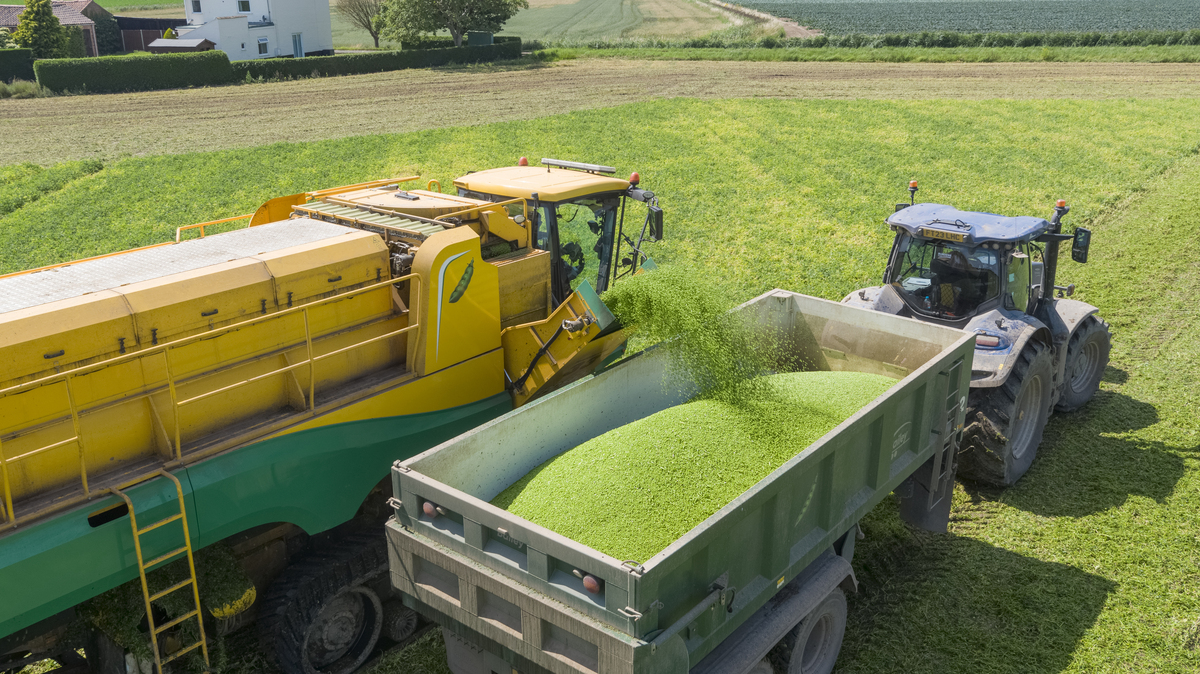
The EU has published the EU Protein Action Plan which aims to increase the supply and use of EU-grown protein. In 2025, only 25% of protein from oilseeds and protein crops were sourced in the EU. The Plan aims to increase the share to 35% by 2035.
The EU Protein Action Plan focuses on reducing the EU's dependence on imported high-protein feed by increasing domestic protein crop production, strengthening local feed supply chains and encouraging more regionally integrated livestock systems, while recognising that livestock production remains central to the EU food system and strategic autonomy.
- Increase production of EU-grown protein crops through CAP incentives, investment support and risk management to reduce dependence on imported soya and improve feed security.
- Greater support for mixed crop-livestock systems, recognising their role in producing more home-grown feed and improving resilience. Higher coupled support is proposed for farmers combining crop and livestock production.
- Encourage greater use of local and regional feed, with Member States asked to monitor local feed use and the Commission considering voluntary labels identifying livestock products produced using EU, national or regional feed.
- Investment in regional feed infrastructure, including storage, drying, biorefineries and processing facilities, to strengthen domestic feed supply chains and reduce reliance on imports.
- Continued support for grassland-based livestock systems, recognising that grasslands reduce reliance on imported feed, store carbon, support biodiversity and reduce wildfire risk. CAP support for forage and grassland will continue.
- Support for extensification where appropriate, particularly in environmentally sensitive or nitrate vulnerable areas, alongside continued support for sustainable grazing systems.
- Maintain livestock competitiveness through better feeding strategies, rather than reducing production, including greater use of locally sourced proteins, co-products and precision feeding.
- Expand use of food and biofuel co-products in livestock feed, supporting a more circular bioeconomy and reducing waste while lowering demand for imported protein.
- Develop domestic production of feed additives, amino acids and vitamins, reducing dependence on imports from East Asia and improving resilience to supply chain disruptions.
- Expand carbon farming opportunities, with new certification methodologies expected to reward farmers using legumes, improving grassland management and reducing fertiliser use through carbon markets and future nature credits.
- Provide stronger support for young farmers, encouraging protein crop production and diversification through generational renewal measures and transition payments.
- Increase research and innovation on protein crops, grassland systems, feed formulations, breeding, machinery, local protein sources and animal nutrition to improve productivity and resilience.
- Diversify imports rather than eliminate them, including closer cooperation with Ukraine while maintaining a level playing field and strengthening sustainability standards for imported feed.
The Commission’s proposal anticipates a major new feature with significant potential: transition payments proposed under the CAP post-2027, which can be seen as de-risking instruments. They will help farmers cover investment and adaptation costs associated with introducing protein crops into crop rotations, including new machinery, equipment adjustments, learning costs and temporary increases in production or labour costs, as well as potential losses linked to lower profitability compared with alternative crops.
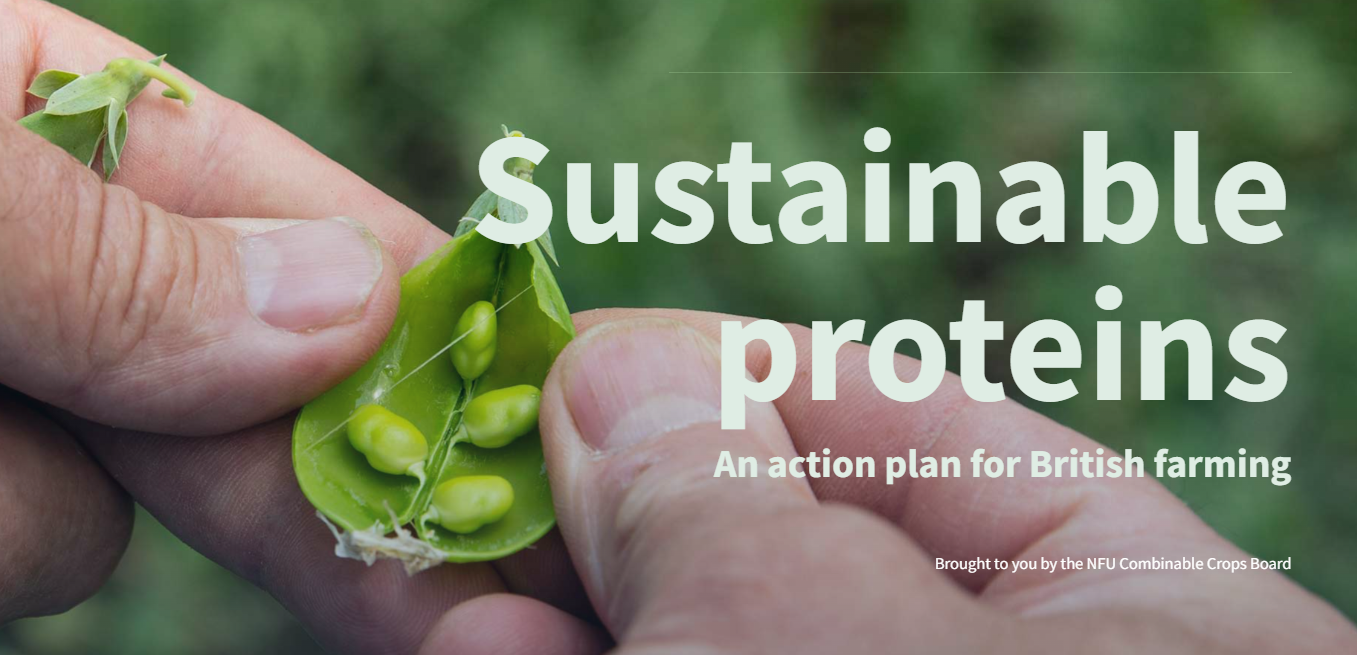
NFU's sustainable protein action